Adoptee Lived Experiences
An interpretive phenomenological study of how adult adoptees make meaning across a lifetime.
Renée M. Murphy with co-researcher Angela Christianson and faculty advisor Dr. Jamie Bower.
Antioch University New England.
About the Study
Adoption research has historically centered child outcomes, attachment, and the perspectives of adoptive parents. Adult adoptee voices have been underrepresented. This study starts from a different place, asking adult adoptees directly: how have you made meaning of your adoption across your life?
The study uses Interpretive Phenomenological Analysis, a qualitative method that prioritizes depth over generalizability. Rather than measuring outcomes across a large sample, it listens closely to a smaller group of participants to understand how they have experienced and made sense of their adoption over time.
Participants
The study focused on same-race, same-culture domestic adoptions in order to examine the core experience of adoption itself, identity, belonging, and meaning-making across a lifetime, as a distinct phenomenon separate from the additional complexities of transracial or transcultural placement.
Participants were 18 adult adoptees, ranging in age from their 20s to their 70s. Ten identified as women, seven as men, and one as nonbinary.
The majority of participants were white; two participants identified as Black American. All were same-race, same-culture domestic adoptions.
Interview Domains
Each interview explored five areas of lived experience. These domains were designed to capture how adoption has shaped identity, relationships, and self-understanding across a lifetime, not just in childhood.
Identity
How has adoption shaped your sense of who you are?
Belonging & Rejection
Where and with whom have you felt claimed, and where have you not?
Family Connections
How do you understand your relationships with adoptive and biological family?
Symbolic Markers
How do you experience milestones and dates that carry adoption-specific meaning?
Adoption Worldview
How do you understand adoption itself, and has that changed over time?
Emerging Findings
The study is in its final phases of analysis. Findings are emerging and will be shared here as they are ready for public presentation. Early themes suggest that adoption functions as a continuous presence in identity development rather than a resolved historical event, and that meaning-making shifts significantly across life stages and in response to specific activation events.
Updates will be posted as presentations and publications become available.
Theoretical Framework
This study is grounded in the Adoptee Lifespan Framework, an original theoretical framework developed by Renée M. Murphy that positions adoption as a developmental context rather than a discrete event. The IPA findings are being mapped against the framework's dimensions, activation events, and response pathways as analysis proceeds.
About
The Team
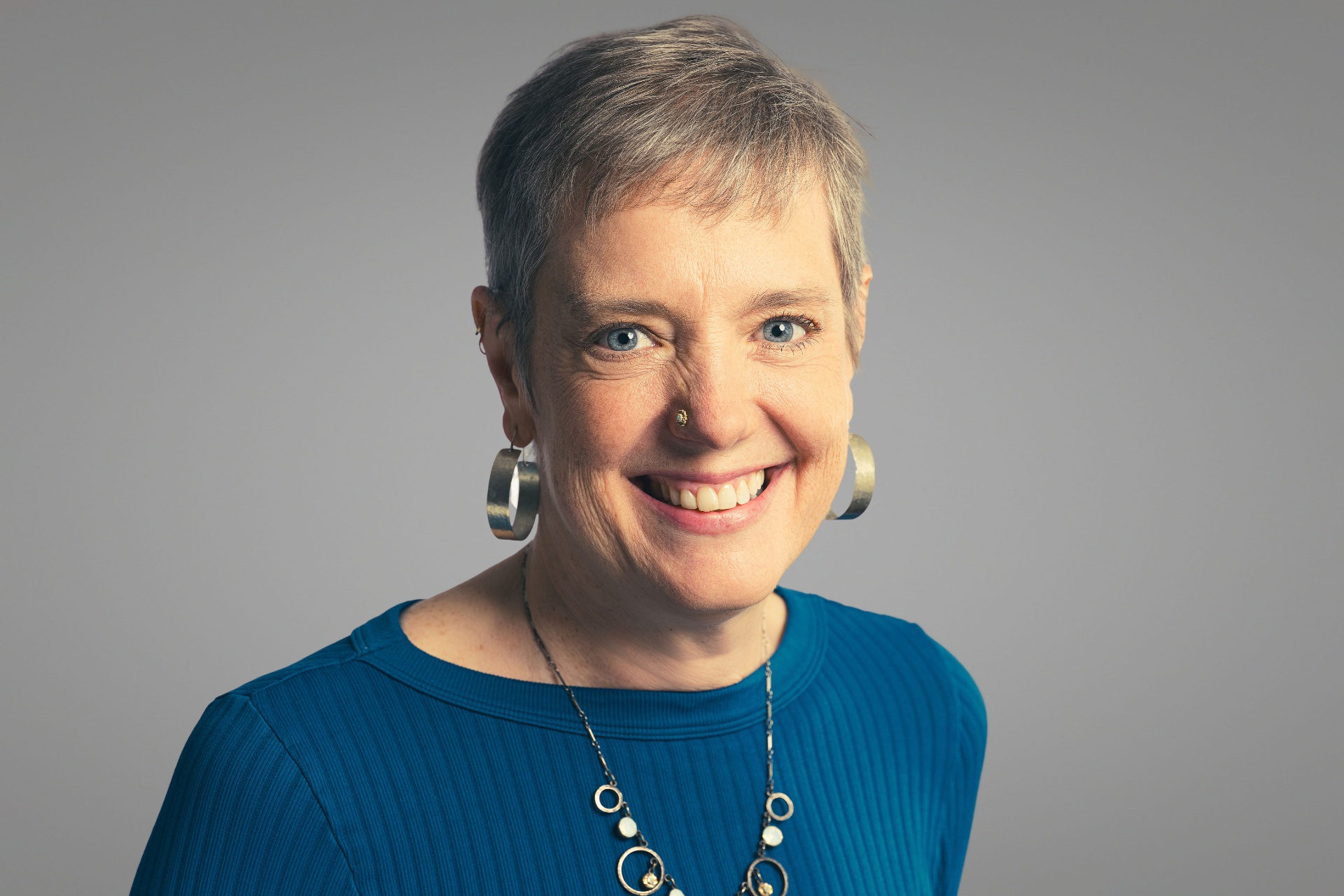
Renée Murphy, MA Candidate
Principal Investigator
I came to this research the way most adoptees come to anything adoption-related: from the inside. I was in foster care before I was adopted at five. The questions this research asks, about identity, belonging, and what it means to carry an interrupted origin across a lifetime, are not abstract for me. They are the questions I have been living.
I am an MA candidate in Clinical Mental Health Counseling at Antioch University New England, a counselor in training, and an independent researcher. I spent three years on a suicide prevention crisis line and served as a CASA, a Court Appointed Special Advocate for children in foster care. That combination of lived experience, clinical training, and direct advocacy work shapes everything I do in this research.
My clinical practice focuses on trauma, first responders and veterans, and adoptees. For more about my counseling work, visit reneemurphy.care.
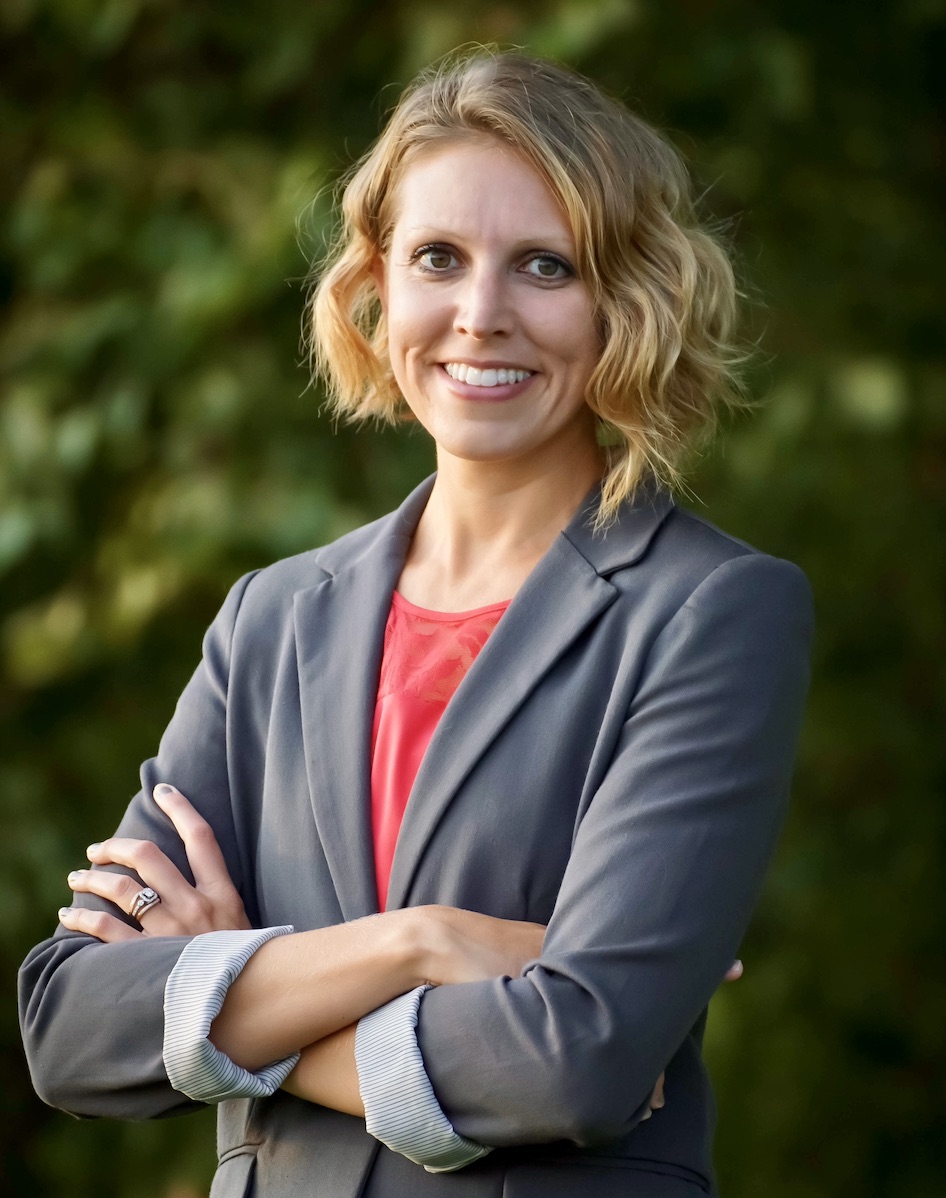
Dr. Jamie Bower
Faculty Advisor and Researcher
I have been an Associate Professor of Counseling at Antioch University since 2017. I love the work I do and appreciate the energy and commitment my students bring to each and every semester. Clinically, I have experience working in community mental health, benefits-based youth programming in the school system, and crisis work with marginalized youth. I enjoy sitting in any space that changes not just the clients, students, or whoever you are with, but yourself.
As someone who holds a few marginalized identities, my research journey naturally began with asking whether clinicians are actually prepared to sit across from someone who doesn't look like them, think like them, or move through the world the way they do. For years, my scholarly focus centered on multicultural competence in counseling, specifically in working with LGBTQ+ clients, exploring what it really means for a counselor to show up informed, humble, and ready. When I adopted my daughter, in my efforts to be the most informed I could be about what her journey of identity development would look like, I realized there were significant gaps in the literature around adoptee lived experiences and needs throughout their lifespan and best practices for working with adoptee clients. It was complete serendipity that Renée encouraged us to work together.
I am proud to be a part of a research project that sits at the intersection of identity development, adoptee experience, and culturally responsive practice. For me, this research is grounded in evidence, informed by experience, and driven by something that matters more than any publication ever could: my daughter.
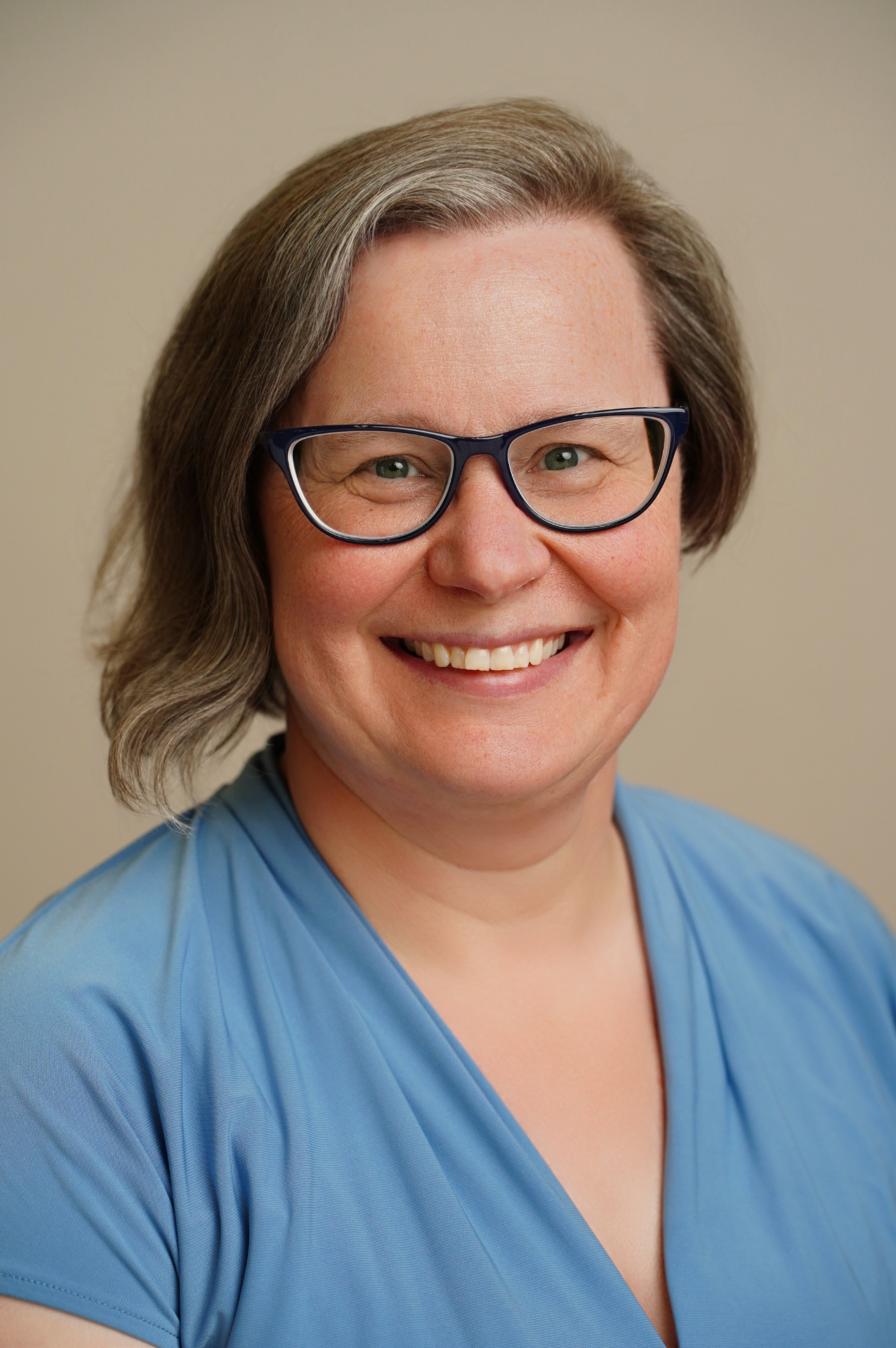
Angela Christianson
Co-Researcher
I am a second-year graduate student in the Clinical Mental Health Counseling program at Antioch University New England. As a domestic infant adoptee, my research focuses on adoption across the lifespan, including how adoptees, first parents, and adoptive parents make meaning of their lived experiences.
I am passionate about supporting individuals impacted by adoption and have volunteered with Adoption Network Cleveland, including participation in Advocacy Day, where members of the adoption and foster care constellation engage with Ohio legislators on related policy issues.
Before returning to graduate school, I earned a Master of Library and Information Science from the University of Illinois and spent over twenty years working in libraries, including as a children's librarian and as the assistant manager of an urban branch where I developed an outreach program supporting youth in legal custody.